Villa Vie Unveils Second Residential Ship “Legacy” as Fleet Expansion Accelerates
With Odyssey more than 85% sold, Villa Vie is preparing to launch a second residential cruise ship in early 2029. Norwegian Cruise Line Holdings’ sale of Oceania Sirena has now added a compelling new possibility to the mystery surrounding Legacy.
Updated August 2, 2026
Villa Vie Residences has officially announced plans to expand its fleet with a second residential cruise ship, Villa Vie Legacy, scheduled to enter service in early 2029.
Rather than replacing the company’s inaugural ship, Villa Vie Odyssey, Legacy is being positioned as a premium sister ship that builds upon the lessons learned from Odyssey’s launch and early operations.
According to Villa Vie, the new vessel will feature residences approximately 50% larger than comparable accommodations aboard Odyssey, along with expanded dining venues, larger public spaces, enhanced wellness facilities and elevated amenities throughout the ship.
The announcement comes as Villa Vie says more than 85% of Odyssey has already been sold, a milestone the company says has made expansion to a second ship possible.
Although Villa Vie has not identified the vessel it intends to acquire, a newly announced ship sale has added an intriguing candidate to the conversation.
Norwegian Cruise Line Holdings has entered into an agreement to sell Oceania Sirena to an undisclosed buyer. The R-class ship is expected to leave the Oceania Cruises fleet following its spring 2028 deployment.
With Villa Vie Legacy scheduled to begin operating in early 2029, the timing raises an obvious question:
Could Oceania Sirena become Villa Vie Legacy?
There is currently no public evidence confirming that Villa Vie is purchasing Sirena. Neither Villa Vie nor Norwegian Cruise Line Holdings has connected the vessel to the Legacy project, and the identity of Sirena’s buyer has not been disclosed.
Nevertheless, the ship’s size, layout, pedigree and expected availability make it a credible possibility.
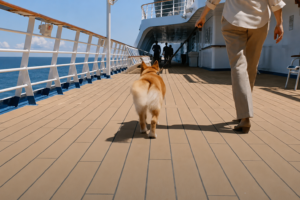
Image from the Villa Vie Website
A Bigger Vision for Villa Vie Legacy
Although Villa Vie has not revealed which vessel it plans to acquire, the company has outlined an ambitious vision for Legacy.
- Residences approximately 50% larger than comparable Odyssey accommodations.
- Expanded dining venues.
- Larger public gathering spaces.
- Enhanced wellness and fitness facilities.
- Elevated amenities throughout the ship.
Villa Vie has also introduced its Legacy Bridge Program, allowing a limited number of buyers to begin living aboard Odyssey before transferring their ownership to Legacy once the new ship enters service.
The program gives prospective Legacy residents the opportunity to join the Villa Vie community before the second ship is ready, while potentially providing the company with an early base of committed buyers.
Could Oceania Sirena Become Villa Vie Legacy?
Perhaps the biggest unanswered question surrounding Legacy is the identity of the ship itself.
Villa Vie has deliberately kept that information confidential. However, Norwegian Cruise Line Holdings’ agreement to sell Oceania Sirena has created a new and potentially significant clue.
Sirena is an R-class cruise ship originally built in 1999 as R Four for Renaissance Cruises. The vessel later operated for Princess Cruises as Ocean Princess before joining Oceania Cruises in 2016.
The ship currently carries approximately 670 guests at double occupancy and measures just over 30,000 gross tons. Its relatively intimate size, traditional profile and collection of restaurants, lounges and public spaces could make it well suited to residential conversion.
Sirena is expected to remain in Oceania service through spring 2028. Oceania currently lists a voyage aboard the ship ending in Venice in early April 2028, potentially leaving several months for refurbishment and conversion before Legacy’s planned early-2029 launch.
That would be an ambitious schedule, especially if significant structural work is required. Residential conversions can involve extensive changes to cabins, storage, kitchens, mechanical systems, public areas and regulatory certifications.
Still, the timing is close enough to make Sirena a vessel worth watching.
Why Sirena Could Be a Logical Fit
Villa Vie has said Legacy’s residences will be approximately 50% larger than comparable accommodations aboard Odyssey.
Sirena could offer a practical starting point for that objective.
The ship currently has hundreds of conventional cruise accommodations. A residential conversion could reduce the total number of units by combining existing cabins into larger residences, potentially creating more spacious living areas, additional storage and improved layouts for long-term occupancy.
Its smaller size could also support the community-oriented atmosphere Villa Vie has developed aboard Odyssey.
Large cruise ships can accommodate more amenities, but smaller vessels often offer greater access to boutique ports, a more intimate onboard environment and a stronger sense of community among residents.
Sirena’s design history may also work in its favor. The R-class ships have long been associated with extended itineraries and destination-focused cruising, characteristics that align naturally with a residential world-cruise model.
None of this confirms that Sirena is Legacy.
It simply explains why the ship’s sale, availability and physical characteristics make it one of the strongest candidates currently visible.
Four-Legged Residents Welcome
One of the more intriguing details in Villa Vie’s announcement was not buried in the press release itself, but appeared in the promotional imagery accompanying it.
“Larger public spaces for life’s daily rituals. Four-legged residents included.”
For prospective residents, that simple statement could prove significant.
I know it made my wife happy. We own a three-year-old Cavapoo named Ginger and have worried about separation anxiety while spending extended periods aboard Avora Lumina, where we purchased a residence.
Although we intend to keep our Avora residence, a pet-friendly residential ship would give us another option rather than leaving Ginger with our adult children for a month or two while she undoubtedly complains about how difficult her life has become.
The concept image also aligns with previous comments from Villa Vie founder Mike Petterson, who discussed the possibility of accommodating dogs aboard a future ship during a webinar.
Villa Vie has not yet released a formal pet policy for Legacy. However, the new promotional material strongly suggests that pet-friendly living is part of the company’s design vision.
For many prospective residents, the ability to travel the world without leaving a beloved pet behind could become one of Legacy’s most compelling features.
How Legacy Compares With Avora Lumina
Legacy’s announcement naturally invites comparisons with another residential cruise ship currently under development: Avora Lumina.
Although both projects target the growing residential cruise market, they are taking distinctly different approaches.
Villa Vie is evolving from the Odyssey platform by planning larger residences and expanded amenities while maintaining the accessible, community-oriented lifestyle that has defined its first ship.
Avora Lumina, by contrast, begins with a vessel originally constructed for the ultra-luxury cruise market.
The ship, formerly Seven Seas Navigator, already features all-suite accommodations, with most suites offering private balconies, walk-in closets and marble bathrooms. As a result, average accommodations aboard Lumina are expected to remain significantly larger than those announced for Legacy.
Rather than competing directly, the two projects appear to target somewhat different buyers.
Villa Vie is emphasizing accessibility, long-term community and a continuous world-cruising lifestyle, while Avora Lumina is focused on delivering a more traditional luxury residential experience.
Is Oceania Insignia Still a Possibility?
Before Sirena’s sale was announced, another Oceania R-class vessel had emerged as a possible candidate for Villa Vie Legacy: Oceania Insignia.
When former Norwegian Cruise Line Holdings Chairman Russell Galbut launched Crescent Seas in 2025, the company announced plans to convert two Norwegian Cruise Line Holdings vessels into residential cruise ships.
The first was Seven Seas Navigator, which ultimately became Avora Lumina after Crescent Seas’ plans changed.
The second announced vessel was Oceania Insignia.
Although Crescent Seas ultimately did not proceed with Insignia, the announcement demonstrated that experienced residential cruise developers believed the ship possessed many of the characteristics required for long-term residential conversion.
However, the Sirena transaction has changed the calculation.
Sirena now has a publicly announced sale, an undisclosed buyer and a departure date that appears broadly compatible with Legacy’s planned launch.
Insignia may still be a potential candidate, but Sirena has arguably become the more immediate and compelling possibility.
What We Know and What Remains Speculation
What is confirmed:
- Villa Vie is planning a second residential ship called Legacy.
- The ship is scheduled to enter service in early 2029.
- Legacy is expected to feature larger residences, expanded public spaces and enhanced amenities.
- Villa Vie has not disclosed the vessel it intends to acquire.
- Norwegian Cruise Line Holdings has agreed to sell Oceania Sirena to an unnamed buyer.
- Sirena is expected to leave the Oceania fleet following its spring 2028 deployment.
What remains unconfirmed:
- There is no public evidence that Villa Vie is the buyer.
- There is no confirmed connection between Sirena and the Legacy project.
- Villa Vie has not released Legacy’s final deck plans, residence count or detailed conversion schedule.
Until either Villa Vie or Norwegian Cruise Line Holdings identifies the buyer, any connection between Sirena and Legacy remains informed speculation.
Looking Ahead
Villa Vie’s announcement represents more than simply adding another ship.
It signals growing confidence in the residential cruising sector and suggests Villa Vie believes demand extends beyond the remaining inventory aboard Odyssey.
With Odyssey nearing a sellout, larger residences, expanded amenities, an apparent commitment to pet-friendly living and a second ship entering the pipeline, Villa Vie is positioning itself for long-term growth.
The sale of Oceania Sirena has now added another layer of intrigue.
Its size, R-class design and expected availability after spring 2028 appear to align with several elements of Villa Vie’s plans. But until the buyer is named, the ship’s ultimate destination remains uncertain.
For now, the central question is unchanged:
What ship will become Villa Vie Legacy?
Sirena may be the strongest new clue, but the mystery is not solved yet.
SEO Meta Description
Villa Vie Residences has announced Legacy, its second residential cruise ship. Could the recently sold Oceania Sirena become the vessel for its 2029 launch?